May Gardening To-Do List for PNW
May is coming to a close, and there’s still plenty to do in your garden. If you see other gardeners on social media and worry you’re behind or have missed your chance to start, don’t let that discourage you.
Every region has its own gardening schedule. For example, Texas enjoys a long growing season, while in California, most gardening happens in the cooler fall, winter, and spring months to avoid the summer heat. Here in Mill Creek, the weather is finally warming up enough to start growing tomatoes, peppers, summer and winter squash, and bush beans.
In Washington, this is the best time to plant. I often plant summer squash in mid-June. Usually, this just means the harvest is a bit smaller than if I had planted in May. Since my garden is always producing, I sometimes plant later to get the most out of the earlier crops.
Here are some tasks to finish up in May.
Harvest Spring Vegetables:
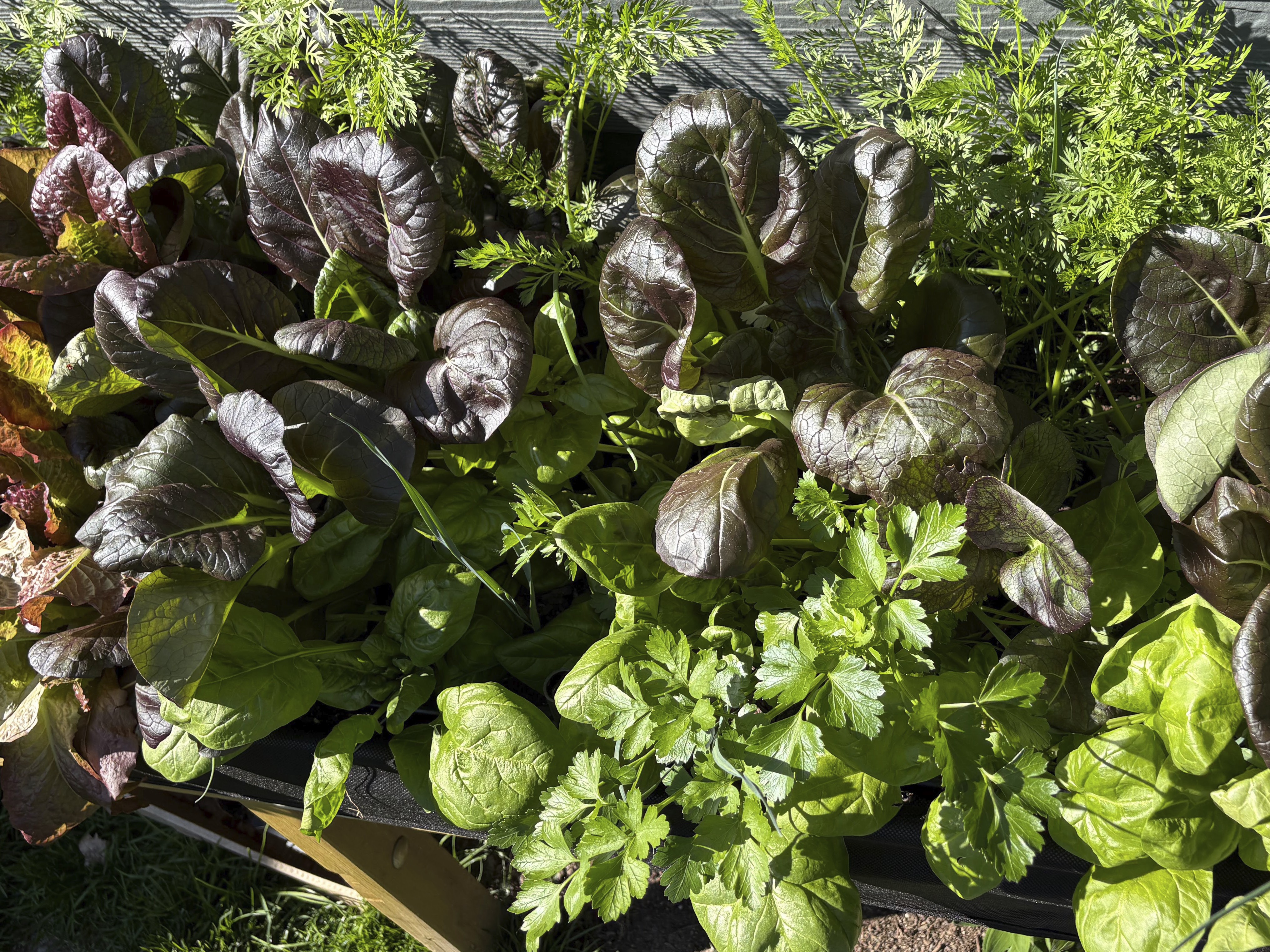
As the weather gets warmer, your spring vegetables will start to flower and then go to seed. If you want to collect seeds, you can leave them. Otherwise, check your garden each day and pick the last of your spinach, romaine, and snap peas.
After you pick your leafy greens, store them in a vegetable keeper so they can last up to two weeks in the fridge. Also, keep trimming herbs like parsley and cilantro, since they will also try to go to seed. To make the most of these herbs, chop them up, freeze them in ice cube trays with water, and use them as needed.
Remember to pull out these plants to make space for your warm-season vegetables.
What to Directly Seed In Your Garden Now
This is the right time to plant seeds for your warm-season crops.
Squash: Go ahead and plant your summer zucchini and yellow squash seeds now. It’s also a good time to plant winter squash like pumpkins, butternut, and acorn squash. Since our growing season is shorter, try to get your winter squash seeds in by the end of May, as they usually need 80 to 100 days to mature.
Beans: Now is a great time to plant pole, bush, or dry shelling beans. I like bush beans for smaller gardens because they don’t take up much space and have shallow roots, so you can fit them into small spots. They also don’t need support like pole beans do. If you’re planting pole or dry shelling beans, be sure to set up a 6-foot trellis or obelisk for them to climb.
Corn: This is the perfect time to plant corn seeds. Wait until daytime temperatures are at least 70 degrees before planting. Make sure you have enough space, since corn needs to cross-pollinate. It’s best to plant corn in blocks of three short rows rather than one long row.
Cucumbers: Now is also a good time to plant cucumber seeds. There are two main types: pickling cucumbers and slicing cucumbers. If you don’t have much space, try varieties like Mini Munch or Patio Snacker, which do well in pots or grow bags with a small trellis.
Melons: Melons can be tricky to grow in Western Washington, but some varieties will do well if the conditions are right. Now is the best time to plant melon seeds. I usually don’t grow melons, but I recently found a variety called Minnesota Midget that grows in a container in just 70 days, so I’m trying it this year.
Time to Plant Your Transplants
In Western Washington, gardeners often try to guess when it’s finally warm enough to plant tomatoes and peppers. Just when we think it’s safe, the weather can suddenly cool down and drop evening temperatures into the 40s.
Timing is rarely perfect, so trust your judgment and keep a few things in mind. In the Seattle area, nighttime temperatures only reach the 60s in late summer, so we usually wait until evenings are consistently in the 50s before planting. I suggest getting a pH tester with a temperature reader to check your soil temperature more accurately.
Fruiting Vegetables
Peppers and eggplants don’t handle temperature swings well. If it suddenly gets cold, their flowers can drop. Make sure to protect these plants from cool nights. Wait until the soil is at least 65 degrees before transplanting them, since they love warmth. I usually plant them in early June.
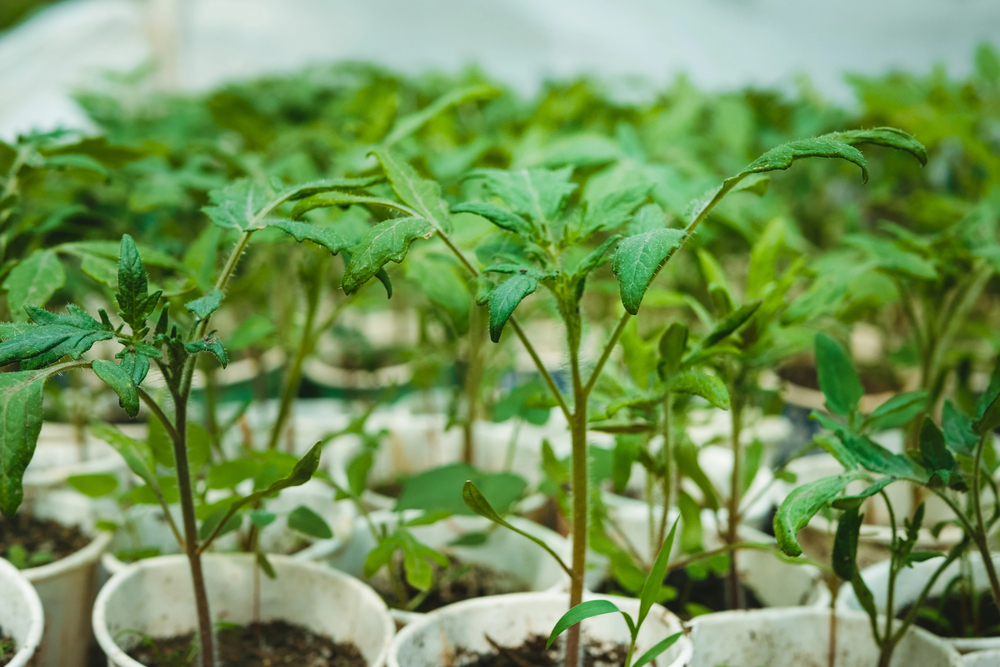
Tomato plants can go in the ground once the soil reaches 55 degrees. They are less likely to drop their flowers if the weather changes, but long periods of cold can still lower fruit production.
Tip: Keep row covers or a pop-up garden cover nearby to protect your plants if temperatures drop at night.
Herbs and Flowers
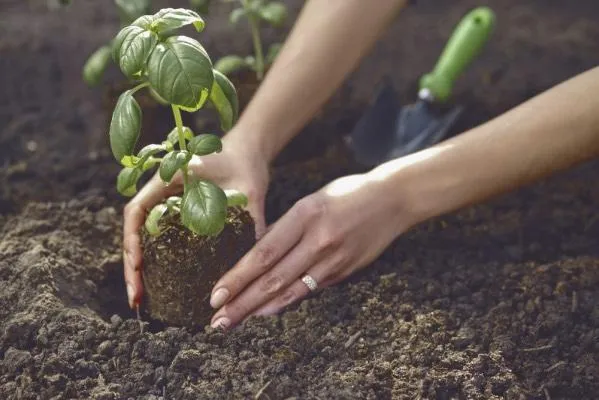
Now is also a great time to switch out your cool-season herbs for warm-season ones. Swap cilantro and parsley for herbs like basil, rosemary, sage, or summer savory.
No garden is complete without flowers to help keep pests away. Start transplanting flowers like marigolds, lavender, nasturtiums, and calendula into your garden.
Conclusion
Mid-May is the ideal time for Pacific Northwest gardeners to finish spring planting and start focusing on summer crops like cucumbers, corn, beans, and squash.
If you time your tomato and pepper transplants based on steady soil and evening temperatures, your garden will be set up for a productive season.
If you’d like personalized help, I offer local garden consultations and hands-on coaching at your home. Visit my service page to find out more.